
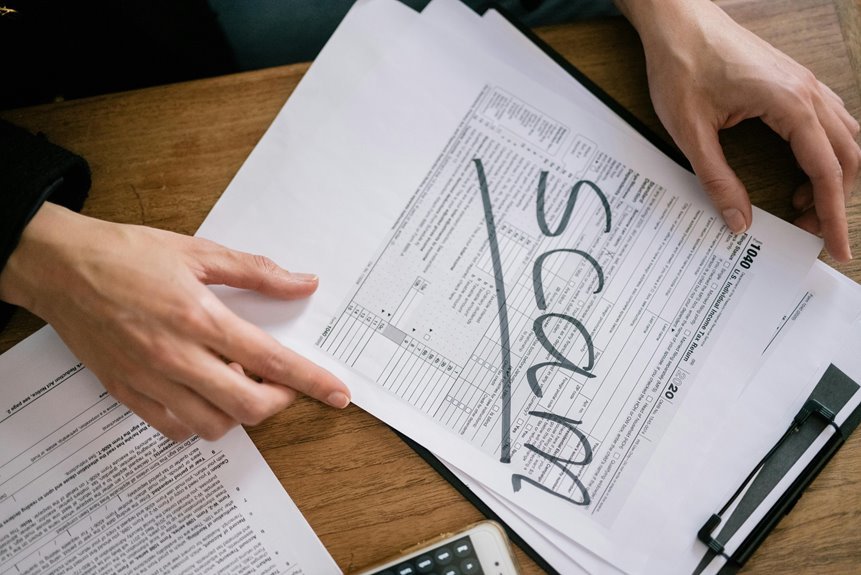
The Caller Hotline Bureau is conducting an investigation into several phone numbers associated with safety fraud cases. These numbers have been reported for utilizing deceptive tactics, including impersonating authority figures and instilling fear in potential victims. Such strategies pose significant risks to the public. Understanding these tactics and the broader implications of safety fraud is crucial for community safety. What measures can individuals take to safeguard themselves from these increasingly sophisticated scams?
Overview of the Caller Hotline Bureau Investigation
Although the Caller Hotline Bureau primarily serves as a resource for reporting various types of fraud, its investigation process has evolved to address the increasing complexity of fraudulent activities.
Common Tactics Used by Scammers
Scammers employ a variety of common tactics to exploit individuals and organizations, each designed to manipulate emotions and create a sense of urgency.
Utilizing scammer psychology, they often leverage fear, trust, or greed through caller tactics such as posing as authority figures, creating false narratives, and delivering time-sensitive threats.
These strategies effectively pressure victims into hasty decisions, further facilitating the scammer’s objectives.
Risks Associated With Safety Fraud
The tactics employed by scammers not only exploit vulnerabilities but also introduce significant risks associated with safety fraud.
These risks jeopardize personal security, financial stability, and trust in legitimate safety measures. A lack of fraud awareness can lead individuals to unknowingly compromise sensitive information, making them prime targets.
Consequently, reinforcing safety measures becomes imperative to mitigate these risks and protect individuals from potential exploitation.
Steps to Protect Yourself From Fraudulent Calls
While many individuals may feel confident in identifying fraudulent calls, a structured approach to protection is essential for minimizing risks.
Utilizing caller identification technology can help screen potential scams. Additionally, promptly reporting scams to authorities not only aids in personal security but also contributes to broader protective measures within the community, fostering a collective defense against fraudulent activities.
Conclusion
As the Caller Hotline Bureau delves deeper into the web of safety fraud connected to the identified phone numbers, the shadows of manipulation loom larger. Each call represents not just a number, but a potential victim caught in a cunning trap. With heightened awareness and vigilance, communities stand at a pivotal moment, teetering between enlightenment and deception. The question remains: will enough be done to illuminate the darkness before another unsuspecting individual falls prey to these insidious tactics?


